
Navigating the Storm: Essential Tips for Safeguarding Your Yacht During Hurricane Season
Navigating the Storm: Essential Tips for Safeguarding Your Yacht During Hurricane Season
As yacht enthusiasts, we know that your vessel is not just a means of transportation but a source of pride and joy. However, with hurricane season upon us, it is more important than ever to protect your investment from the potential damage that extreme weather can bring. That’s why we’ve compiled a list of essential tips to help you safeguard your yacht during these turbulent times.
From securing your boat at a safe harbor to ensuring proper storm preparations, our comprehensive guide will walk you through every step of the process. We understand the anxiety that comes with the threat of hurricanes, and our aim is to provide you with peace of mind, knowing that you’ve taken all necessary precautions.
Don’t let hurricane season catch you off guard. Stay prepared, stay safe, and sail confidently through the storm.
Understanding hurricane season and its impact on yachts : Essential Tips for Safeguarding your Yacht during Hurricane Season
The hurricane season is a critical time for yacht owners, as these powerful storms can wreak havoc on even the most well-maintained vessels. Hurricanes bring with them a host of dangers, including high winds, heavy rainfall, storm surges, and flooding, all of which can cause significant damage to your yacht. Understanding the nature of these storms and their potential impact is the first step in safeguarding your prized possession.
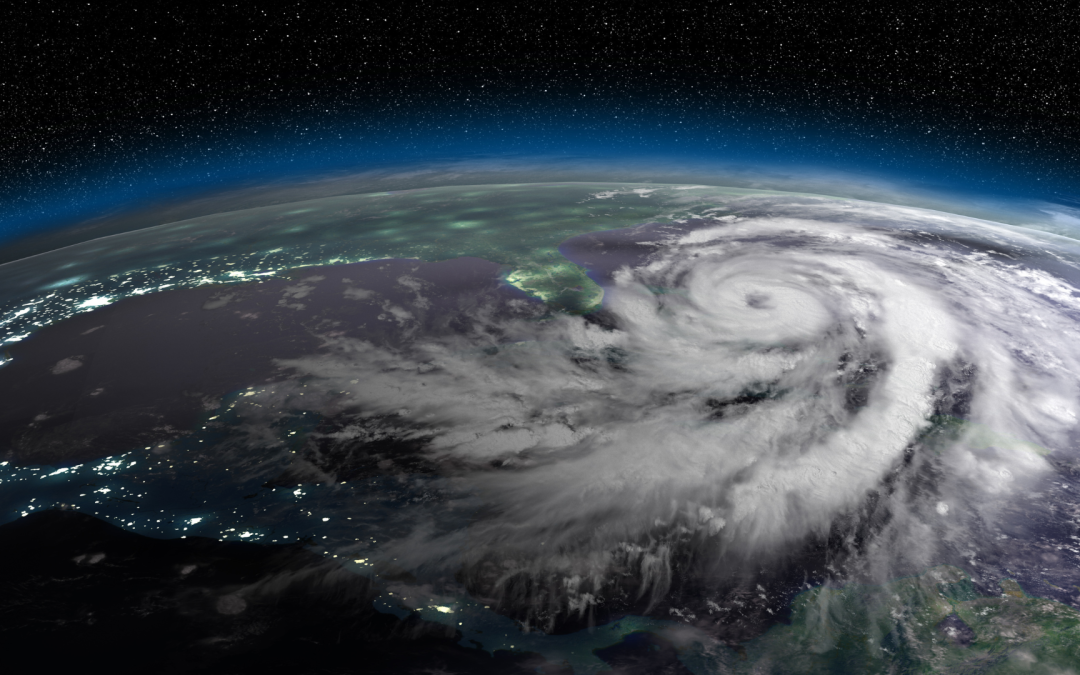
Hurricanes are massive, swirling storms that form over warm ocean waters, typically in the Atlantic, Caribbean, or Gulf of Mexico regions. These storms can grow to massive sizes, with winds exceeding 150 miles per hour and storm surges reaching heights of 20 feet or more. The sheer force of these winds and waves can easily overwhelm a yacht, causing it to break free from its moorings, capsize, or be thrown against docks, seawalls, or other structures.
In addition to the physical damage, hurricanes can also disrupt essential services like power, water, and communications, making it challenging to access resources and coordinate emergency response efforts. This can further complicate the process of securing and protecting your yacht, as you may be forced to make decisions and take actions without the benefit of reliable information or support.
Assessing the vulnerability of your yacht
Before you can effectively prepare your yacht for hurricane season, it’s essential to assess its vulnerability to the potential threats posed by these powerful storms. This involves carefully examining the design, construction, and condition of your vessel, as well as its location and the surrounding environment.
One of the key factors to consider is the size and weight of your yacht. Larger, heavier vessels may be more resistant to the forces of wind and waves, but they also require more effort and resources to secure properly. Smaller, lighter yachts, on the other hand, may be more susceptible to being blown away or tossed about, but they may be easier to move to a safer location.
The age and condition of your yacht are also important considerations. Older vessels, or those with structural weaknesses or damage, may be more vulnerable to hurricane-related harm. It’s crucial to have your yacht thoroughly inspected by a qualified marine surveyor, who can identify any areas of concern and provide recommendations for necessary repairs or reinforcements.
The location of your yacht is another critical factor in assessing its vulnerability. Yachts moored in low-lying areas, near coastlines, or in exposed marinas are at a higher risk of being impacted by storm surges, flooding, and strong winds. Conversely, yachts stored in secure, inland facilities or high-elevation locations may be better protected from the worst effects of a hurricane.
Preparing your yacht for hurricane season
Once you’ve assessed the vulnerability of your yacht, it’s time to take proactive steps to prepare it for the upcoming hurricane season. This process involves a comprehensive checklist of tasks and considerations, all aimed at minimizing the potential for damage and ensuring the safety of your vessel and its crew.
One of the first and most important steps is to ensure that your yacht is properly maintained and in good working order. This includes checking the condition of the hull, rigging, engine, and all other critical components. Any necessary repairs or upgrades should be completed well in advance of the hurricane season, as boatyards and marine service providers can become overwhelmed with requests during this time of year.
Another crucial step is to ensure that your yacht is properly outfitted with the necessary safety equipment and emergency supplies. This includes items like life rafts, personal flotation devices, flares, emergency communication devices, and generators. It’s also important to have a well-stocked first-aid kit and any necessary medications or medical supplies on hand.
In addition to the physical preparation of your yacht, it’s essential to have a comprehensive hurricane preparedness plan in place. This should include detailed instructions for securing your vessel, as well as a clear evacuation plan in the event that you need to remove your yacht from its current location. Your plan should also include contact information for local authorities, emergency services, and any other relevant resources that may be needed during a hurricane event.
Securing your yacht in a marina or dock
One of the most critical steps in safeguarding your yacht during hurricane season is ensuring that it is securely moored or stored in a safe location. This may involve relocating your vessel to a marina or dock that is specifically designed to withstand the forces of a hurricane, or it may mean hauling your yacht out of the water and storing it in a secure, inland facility.
When choosing a marina or dock for your yacht, it’s essential to consider factors such as the facility’s hurricane preparedness plan, the strength and stability of its docks and moorings, and the overall level of protection it offers from the elements. Look for marinas that have a proven track record of successfully weathering hurricanes, and be sure to inquire about their specific procedures and protocols for securing vessels during a storm.
If you decide to haul your yacht out of the water and store it on land, you’ll need to work closely with a reputable boatyard or storage facility to ensure that it is properly secured and protected. This may involve placing the yacht on sturdy blocks or cradles, securing it with heavy-duty tie-downs, and taking additional measures to protect it from wind, rain, and debris.
Regardless of whether you choose to keep your yacht in the water or store it on land, it’s essential to ensure that it is properly secured and positioned to minimize the risk of damage. This may involve adjusting the length of your mooring lines, adding additional lines or anchors, and taking steps to prevent the yacht from being blown or washed away.
Creating a hurricane preparedness checklist :Essential Tips for Safeguarding your Yacht during Hurricane Season
Developing a comprehensive hurricane preparedness checklist is an essential step in safeguarding your yacht during the storm season. This checklist should cover a wide range of tasks and considerations, from securing your vessel to protecting valuable onboard equipment and ensuring the safety of your crew.
One of the key elements of your checklist should be a detailed inventory of all the equipment and supplies that you’ll need to have on hand. This may include items like extra mooring lines, fenders, anchors, and generators, as well as emergency communication devices, first-aid kits, and any necessary personal protective equipment.
Another important aspect of your checklist should be a plan for securing your yacht. This may involve steps like removing all loose items from the deck, securing hatches and windows, and ensuring that the vessel is properly moored or stored. It’s also essential to have a plan for evacuating your yacht in the event that a hurricane is expected to make landfall in your area.
Your hurricane preparedness checklist should also include contact information for local authorities, emergency services, and any other relevant resources that you may need to access during a storm event. This can help ensure that you’re able to quickly and effectively respond to any emergencies or issues that may arise.
Essential safety equipment for yachts during hurricanes
Essential Tips for Safeguarding your Yacht during Hurricane Season : When it comes to safeguarding your yacht during a hurricane, having the right safety equipment on board can make all the difference. From emergency communication devices to personal protective gear, there are a number of essential items that every yacht owner should have on hand.
One of the most critical pieces of safety equipment is a reliable emergency communication system. This may include items like satellite phones, emergency position-indicating radio beacons (EPIRBs), and handheld VHF radios. These devices can be invaluable in the event of a power outage or other communication disruptions, allowing you to stay in touch with emergency services and coordinate your response to the storm.
Another essential piece of safety equipment is a well-stocked first-aid kit. This should include a range of medical supplies, such as bandages, antiseptic wipes, pain relievers, and any necessary medications. It’s also a good idea to have a comprehensive emergency action plan in place, detailing the steps that you and your crew should take in the event of an injury or other medical emergency.
In addition to communication and medical equipment, it’s important to have personal protective gear on board your yacht. This may include items like life jackets, harnesses, and hard hats, which can help keep you and your crew safe in the event of high winds, heavy rainfall, or other hazardous conditions.
Storing and protecting valuable items onboard
In addition to securing your yacht and ensuring the safety of your crew, it’s also important to take steps to protect any valuable items that may be onboard. This can include everything from personal belongings and electronics to important documents and sensitive equipment.
One of the first steps in protecting your valuable items is to create a detailed inventory of everything that’s on board. This can help you quickly identify what needs to be prioritized and safeguarded in the event of an emergency. It’s also a good idea to take photographs or video of your yacht and its contents, which can be useful for insurance purposes in the event of damage or loss.
When it comes to storing and protecting your valuable items, it’s important to choose secure, waterproof containers or storage areas. This may involve placing items in watertight bags or cases, or storing them in high-up or well-protected areas of the yacht. It’s also a good idea to consider removing any particularly valuable or irreplaceable items from the yacht altogether, and storing them in a secure, off-site location.
In addition to physical storage and protection, it’s also important to ensure that your valuable items are properly documented and backed up. This may involve making digital copies of important documents, or storing critical data on external hard drives or cloud-based storage platforms. By taking these steps, you can help ensure that your valuable items are protected, even in the event of a devastating hurricane.
Evacuation plans and emergency contacts
In the event that a hurricane poses a direct threat to your yacht, it’s essential to have a well-developed evacuation plan in place. This plan should outline the steps you and your crew will take to safely remove your vessel from the area and seek shelter elsewhere.
One of the key elements of your evacuation plan should be a clear understanding of where you will relocate your yacht. This may involve moving it to a more sheltered marina or dock, or even hauling it out of the water and storing it in a secure, inland facility. It’s important to have these arrangements made well in advance, as marinas and boatyards can quickly become overwhelmed during hurricane season.
In addition to your yacht’s relocation, your evacuation plan should also include provisions for the safety and well-being of your crew. This may involve arranging for alternative transportation or lodging, as well as ensuring that everyone has access to the necessary emergency supplies and personal protective equipment.
Another critical component of your evacuation plan should be a comprehensive list of emergency contacts. This should include the contact information for local authorities, emergency services, marine salvage companies, and any other relevant resources that you may need to access in the event of a hurricane. By having this information readily available, you can help ensure a more coordinated and effective response to any emergency situations that may arise.
Monitoring weather conditions and staying updated
Staying informed and up-to-date on the latest weather conditions and hurricane forecasts is essential for protecting your yacht during the storm season. By closely monitoring the progress of potential hurricanes and other severe weather events, you can make informed decisions about when and how to take action to safeguard your vessel.
There are a number of resources available to help you stay informed, including local and national weather forecasting services, as well as specialized marine weather apps and websites. These resources can provide you with detailed information on the projected path, intensity, and timing of any approaching storms, allowing you to plan and prepare accordingly.
In addition to monitoring weather forecasts, it’s also important to stay in close communication with local authorities and emergency services. These organizations can provide you with real-time updates on the status of the storm, as well as any evacuation orders or other important safety information that may be relevant to your situation.
By staying vigilant and proactively monitoring the weather, you can help ensure that you’re able to respond quickly and effectively to any developing hurricane threats. This can include taking steps to secure your yacht, evacuating to a safer location, or coordinating with emergency responders to ensure the safety of your vessel and crew.
After the storm: Assessing and repairing any damage
Once a hurricane has passed, it’s essential to carefully inspect your yacht and assess any damage that may have occurred. This process can be daunting, but it’s a critical step in ensuring the ongoing safety and functionality of your vessel.
Begin by conducting a thorough visual inspection of your yacht, both inside and out. Look for any signs of structural damage, such as cracks, dents, or holes in the hull, as well as any issues with the rigging, electronics, or other critical components. It’s also important to check for any water intrusion or flooding, which can cause significant damage if left untreated.
If you identify any areas of concern, it’s important to document the damage through photographs or video. This can be valuable evidence for insurance claims and can also help guide the repair process. It’s also a good idea to consult with a qualified marine surveyor or technician, who can provide a more comprehensive assessment of the damage and recommendations for necessary repairs.
Depending on the extent of the damage, the repair process may involve everything from minor cosmetic fixes to major structural work. In some cases, it may even be necessary to completely overhaul or replace certain components of your yacht. Regardless of the specific repairs required, it’s essential to work with experienced and reputable marine service providers to ensure that your vessel is restored to its full functionality and safety.
Read about the Beaufort Scale
Recent Comments