
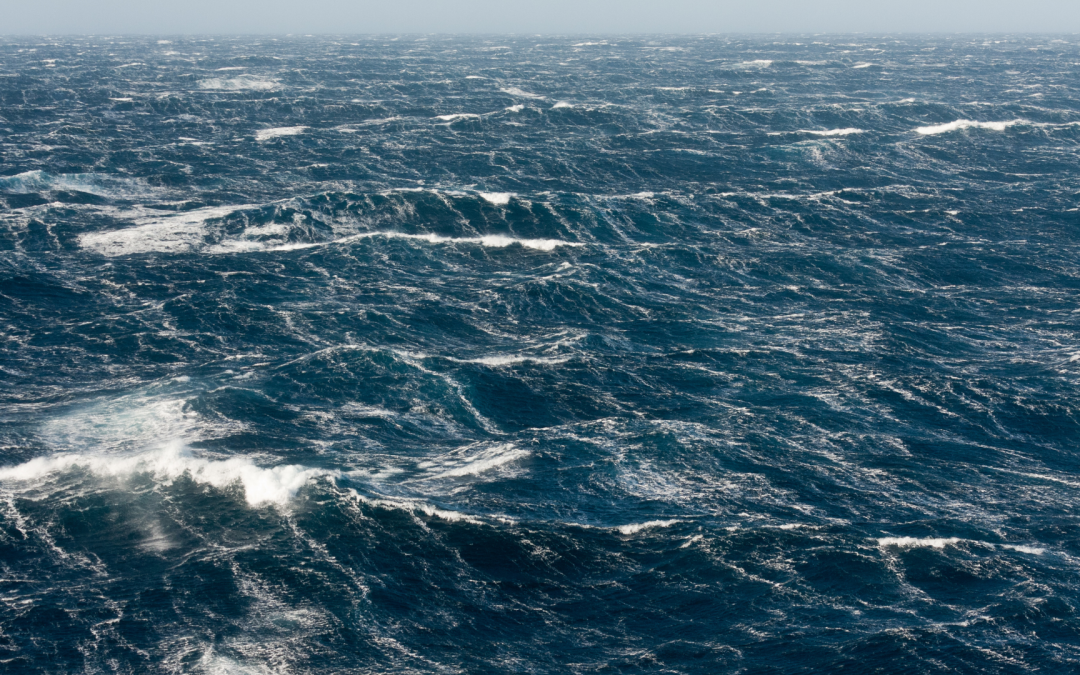
The Beaufort Scale: Understanding the Wind’s Power and Impact on Sea Vessels
The Beaufort Scale: Understanding the Wind’s Power and Impact on Sea Vessels
When it comes to sailing the high seas, understanding the power and impact of the wind is essential for the safety and success of any sea vessel. This is where the Beaufort Scale comes into play. Developed by Sir Francis Beaufort in 1805, the Beaufort Scale is a timeless tool used to gauge wind speeds and their corresponding effects on the water.
In this article, we will delve into the intricacies of the Beaufort Scale and how it helps mariners worldwide navigate challenging conditions. From gales to hurricanes, each wind speed on the Beaufort Scale is classified with specific descriptions, allowing sailors to assess current conditions and make informed decisions.
Whether you’re a seasoned sailor or simply fascinated by the power of the elements, understanding the Beaufort Scale can be both practical and enlightening. Join us as we explore the historical significance, key numerical values, and practical applications of this renowned wind measurement system.
So, let’s hoist the sails and set a course to unravel the mysteries of the Beaufort Scale and its impact on sea vessels.
History and development of the Beaufort Scale
The Beaufort Scale, named after Sir Francis Beaufort, is a system for measuring wind speed and its corresponding effects on the sea and land. Developed in 1805, the scale has a rich history that dates back to the early 19th century.
Sir Francis Beaufort, an Irish naval officer, created the scale while serving in the Royal Navy. Beaufort recognized the need for a standardized method of describing wind conditions, as the existing systems were often subjective and inconsistent. He proposed a numerical scale ranging from 0 to 12, with each number representing a specific wind speed and its associated effects on the environment.
The Beaufort Scale was initially designed for use by naval officers, providing them with a reliable tool to assess weather conditions and make informed decisions about the safety and operation of their vessels. Over time, the scale gained widespread adoption in the maritime industry and became an essential tool for sailors, captains, and meteorologists around the world.
How the Beaufort Scale measures wind speed
The Beaufort Scale measures wind speed using a numerical system that ranges from 0 to 12, with each number representing a specific wind speed and its corresponding effects on the environment. The scale is based on the observation of the state of the sea and the behavior of various objects, such as smoke, trees, and waves.
At the lower end of the scale, a Beaufort number of 0 represents a calm with no wind, while a Beaufort number of 12 indicates a hurricane-force wind that can cause catastrophic damage. The intermediate numbers on the scale correspond to various wind speeds, from light air (Beaufort 1) to storm (Beaufort 10) and violent storm (Beaufort 11).
The scale is not based on precise anemometer measurements, but rather on the visual observation of the wind’s effects. This makes it a practical and accessible tool for sailors and mariners who may not have access to advanced wind measurement equipment. By observing the behavior of the sea, the movement of objects, and the appearance of the sky, sailors can quickly assess the current wind conditions and make informed decisions about their vessel’s operations.
Understanding the different Beaufort Scale categories
The Beaufort Scale is divided into 13 distinct categories, each with its own numerical value and corresponding wind speed and effects. Understanding these categories is crucial for sailors and captains to make informed decisions about their vessel’s safety and operations.
At the lower end of the scale, Beaufort 0 to Beaufort 3 represent light winds, with minimal impact on sea vessels. These conditions are generally considered safe for sailing, with the wind having little to no effect on the vessel’s movement or stability.
As the wind speeds increase, the Beaufort Scale categories become more challenging. Beaufort 4 to Beaufort 6 represent moderate to fresh winds, which can create choppy seas and make navigation more difficult. Beaufort 7 to Beaufort 9 are considered strong to severe gales, with the potential to cause significant damage to vessels and endanger the crew.
The upper end of the Beaufort Scale, from Beaufort 10 to Beaufort 12, represents the most extreme wind conditions, including storms, hurricane-force winds, and even the potential for tornadoes. These conditions can be catastrophic for sea vessels, causing them to capsize, sustain major damage, or even sink. Sailors and captains must exercise extreme caution and take appropriate safety measures when operating in these high-wind environments.
Impact of wind speed on sea vessels
The Beaufort Scale’s impact on sea vessels is significant, as the wind speed can greatly influence a vessel’s stability, maneuverability, and overall safety. Understanding the effects of different wind speeds on sea vessels is crucial for captains and sailors to make informed decisions and ensure the safety of their crew and cargo.
At lower wind speeds, represented by Beaufort 0 to Beaufort 3, the impact on sea vessels is relatively mild. The wind has little to no effect on the vessel’s movement, and sailing conditions are generally considered safe. However, as the wind speeds increase, the impact on sea vessels becomes more pronounced.
Beaufort 4 to Beaufort 6 can create choppy seas and make navigation more challenging, potentially causing the vessel to roll and pitch more. This can make it difficult for the crew to maintain their balance and perform essential tasks, and it can also affect the vessel’s stability and maneuverability.
As the wind speeds reach the upper end of the Beaufort Scale, the impact on sea vessels becomes increasingly severe. Beaufort 7 to Beaufort 9 can create powerful waves, strong currents, and high winds that can cause significant damage to the vessel’s structure, rigging, and equipment. In these conditions, the vessel’s stability and maneuverability are greatly compromised, and the crew may be at risk of being swept overboard or injured by flying debris.
The most extreme wind conditions, represented by Beaufort 10 to Beaufort 12, can be catastrophic for sea vessels. These hurricane-force winds can cause vessels to capsize, sustain major structural damage, or even sink. In these situations, the safety of the crew becomes the top priority, and captains must take immediate action to protect their vessel and personnel.
Importance of knowing the Beaufort Scale for sailors and captains
For sailors and captains, understanding the Beaufort Scale is crucial for ensuring the safety and success of their sea voyages. The scale provides a standardized method for assessing wind conditions, allowing mariners to make informed decisions about their vessel’s operations and take appropriate safety measures.
By knowing the Beaufort Scale, sailors and captains can better anticipate the impact of wind on their vessels, enabling them to plan their routes, adjust their sails, and prepare their crew for the challenges ahead. This knowledge can be particularly valuable in areas with unpredictable or rapidly changing weather conditions, where the ability to quickly assess and respond to wind speeds can mean the difference between a safe passage and a disastrous one.
Moreover, the Beaufort Scale is an essential tool for communicating weather conditions and coordinating emergency response efforts. When a vessel encounters severe weather, the captain can use the Beaufort Scale to accurately describe the wind conditions to shore-based authorities or other vessels in the area, allowing for a more effective and coordinated response.
By understanding the Beaufort Scale, sailors and captains can make informed decisions about their vessel’s operations, ensure the safety of their crew and cargo, and ultimately enhance the overall success and reliability of their sea voyages. This knowledge is a crucial component of seamanship and a testament to the enduring significance of the Beaufort Scale in the maritime industry.
Safety measures for different Beaufort Scale categories
As the Beaufort Scale categories increase in wind speed, the safety measures required for sea vessels become increasingly critical. Sailors and captains must be well-versed in the appropriate safety protocols for each Beaufort Scale category to ensure the well-being of their crew and the integrity of their vessel.
For low wind speeds, represented by Beaufort 0 to Beaufort 3, the safety measures are relatively straightforward. Crews can focus on maintaining a vigilant watch, ensuring the vessel’s equipment is in good working order, and being prepared to respond to any sudden changes in weather conditions.
As the wind speeds increase, the safety measures become more complex. Beaufort 4 to Beaufort 6 may require crews to secure loose items, reduce sail area, and be extra cautious when moving around the vessel. Captains may also consider altering their course or seeking shelter if the conditions become too challenging.
At the higher end of the Beaufort Scale, from Beaufort 7 to Beaufort 9, the safety measures become paramount. Crews may need to secure the vessel’s hatches, batten down the hatches, and prepare emergency equipment such as life rafts and survival suits. Captains may need to consider diverting to a safe harbor or, in extreme cases, initiating an emergency evacuation.
For the most severe wind conditions, represented by Beaufort 10 to Beaufort 12, the safety measures are of the utmost importance. Crews may need to abandon the vessel entirely, seek shelter in secure locations, and coordinate with emergency response teams. Captains must be prepared to make difficult decisions, prioritizing the safety of their crew over the preservation of their vessel.
By understanding the appropriate safety measures for each Beaufort Scale category, sailors and captains can enhance the overall safety and resilience of their sea voyages, ensuring the well-being of their crew and the integrity of their vessels in the face of challenging wind conditions.
Examples of famous sea voyages affected by strong winds
Throughout history, the Beaufort Scale has played a crucial role in the success and safety of sea voyages, with many famous expeditions facing the challenges of high winds and stormy conditions. These examples serve as a testament to the enduring significance of the Beaufort Scale in the maritime industry.
One notable example is the ill-fated voyage of the HMS Bounty in 1789. During their journey, the crew encountered a severe storm off the coast of Tonga, with winds reaching Beaufort 11 or higher. The powerful winds and waves caused the Bounty to capsize, leading to the loss of the vessel and the death of several crew members. This tragic event highlighted the importance of understanding and respecting the Beaufort Scale when navigating the high seas.
Another famous example is the voyage of the Endurance, led by Sir Ernest Shackleton, in 1914-1916. During their expedition to Antarctica, the Endurance encountered a series of intense storms, with wind speeds reaching Beaufort 10 or higher. The powerful winds and ice floes ultimately crushed the Endurance, forcing Shackleton and his crew to embark on a daring rescue mission that has become a legendary feat of seamanship and survival.
More recently, the 2015 Volvo Ocean Race was significantly impacted by strong winds, with several teams facing challenging conditions that tested the limits of their vessels and the crew’s skills. The race saw multiple instances of boats capsizing or sustaining significant damage due to the high wind speeds, underscoring the importance of understanding the Beaufort Scale and being prepared for the potential risks.
These examples demonstrate how the Beaufort Scale has been a crucial tool for sailors and captains throughout history, helping them navigate the unpredictable and often treacherous conditions of the open seas. By understanding the scale and its implications, mariners can better prepare for and respond to the challenges posed by strong winds, ultimately improving the safety and success of their voyages.
Modern tools and technologies for measuring wind speed
While the Beaufort Scale remains an essential tool for sailors and captains, modern technology has provided additional methods for accurately measuring wind speed and assessing weather conditions. These advancements have enhanced the ability of mariners to make informed decisions and improve the safety and efficiency of their sea voyages.
One of the most common modern tools for measuring wind speed is the anemometer, a device that uses sensors to precisely record wind speed and direction. Anemometers can be mounted on vessels or installed at onshore locations, providing real-time data that can be used to supplement the Beaufort Scale observations.
In addition to anemometers, satellite technology has also played a crucial role in monitoring and predicting weather patterns, including wind speeds. Satellite-based weather forecasting systems can provide mariners with detailed information about upcoming storm systems, wind speeds, and other environmental factors, allowing them to plan their routes and take appropriate safety measures.
Furthermore, the development of advanced weather modeling and simulation software has enabled more accurate predictions of wind conditions, wave heights, and other critical factors for sea vessels. These tools, combined with the Beaufort Scale, provide sailors and captains with a comprehensive understanding of the weather conditions they may encounter, empowering them to make more informed decisions and enhance the overall safety and efficiency of their operations.
While the Beaufort Scale remains a valuable and time-tested tool, the integration of modern technology has significantly improved the ability of mariners to navigate the challenges of the open seas. By leveraging these advancements, sailors and captains can better prepare for and respond to the ever-changing wind conditions, ensuring the safety and success of their sea voyages.
Conclusion: The significance of the Beaufort Scale in maritime operations
The Beaufort Scale, developed over two centuries ago, continues to be a vital tool in the world of maritime operations. This timeless system for measuring wind speed and its effects on the sea and land has proven to be an indispensable resource for sailors, captains, and mariners worldwide.
Through its clear and standardized categorization of wind conditions, the Beaufort Scale empowers mariners to make informed decisions about the safety and operations of their vessels. Whether navigating through light breezes or gale-force winds, the scale provides a reliable framework for assessing the current and potential challenges, allowing sailors to adjust their course, prepare their crew, and ensure the overall well-being of their voyages.
As technology has advanced, the Beaufort Scale has seamlessly integrated with modern tools and techniques, enhancing the ability of mariners to monitor and respond to changing weather conditions. From anemometers and satellite data to sophisticated weather modeling software, these advancements have reinforced the significance of the Beaufort Scale, making it an even more valuable resource in the ever-evolving maritime industry.
The Beaufort Scale’s enduring legacy is a testament to the ingenuity and foresight of Sir Francis Beaufort, whose pioneering work has had a lasting impact on the safety and success of sea voyages. By understanding and applying the principles of the Beaufort Scale, sailors and captains can navigate the high seas with confidence, prepared to face the challenges posed by the wind’s power and its impact on their vessels.
As we continue to explore and conquer the vast expanse of the world’s oceans, the Beaufort Scale will undoubtedly remain a crucial tool in the arsenal of maritime professionals, guiding them through the dynamic and often unpredictable conditions of the sea. Its significance in the realm of seamanship is undeniable, and its legacy will continue to shape the future of maritime operations for generations to come.
Read : Essential Tips for Safeguarding your Yacht during Hurricane Season
Recent Comments